

Review: Flow Rangers glasses
Flow's first foray into optics, the Rangers are a solid and secure performer at a competitive price.
Flow Rangers NZ$160
Words and images | Justin Henehan
Hailing from the broken ridges of Wellington, Flow is a new company that aims to bring high-performance eyewear to riders at a lower price point than the premium players.
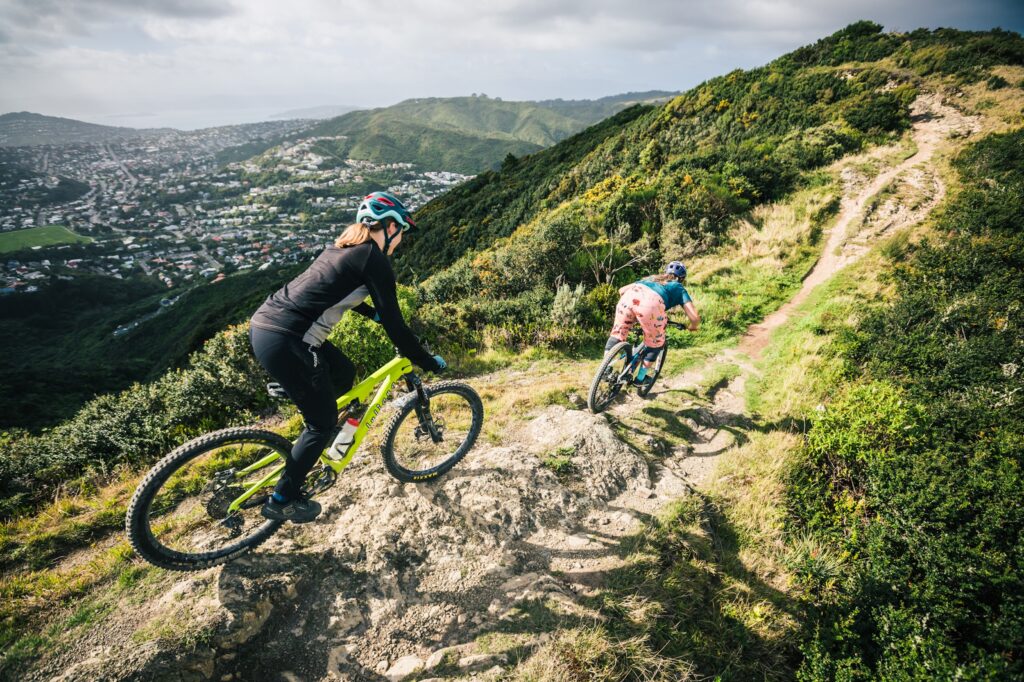
Having spent plenty of time riding in Wellington, I know the light conditions can change rapidly from the bright glare of exposed ridgelines to the dank gloom of deep gullies under regenerating lowland and coastal forest. Add the infamous eye-watering winds laden with sea salt and you’ve got about as testing an environment imaginable for riding eyewear. The Rangers are Flow’s answer to these conditions, and if they work in Wellington, they’ll probably work anywhere.

Unboxing
The Flow Rangers came to me in a preproduction nylon case, but I’m told the production models will be available in cardboard packaging. The glasses themselves live in the standard soft case that doubles as a cleaning cloth. Included are four lenses — clear, pink (orange), clear photochromatic, and a silvered grey — which should cover most riding conditions.
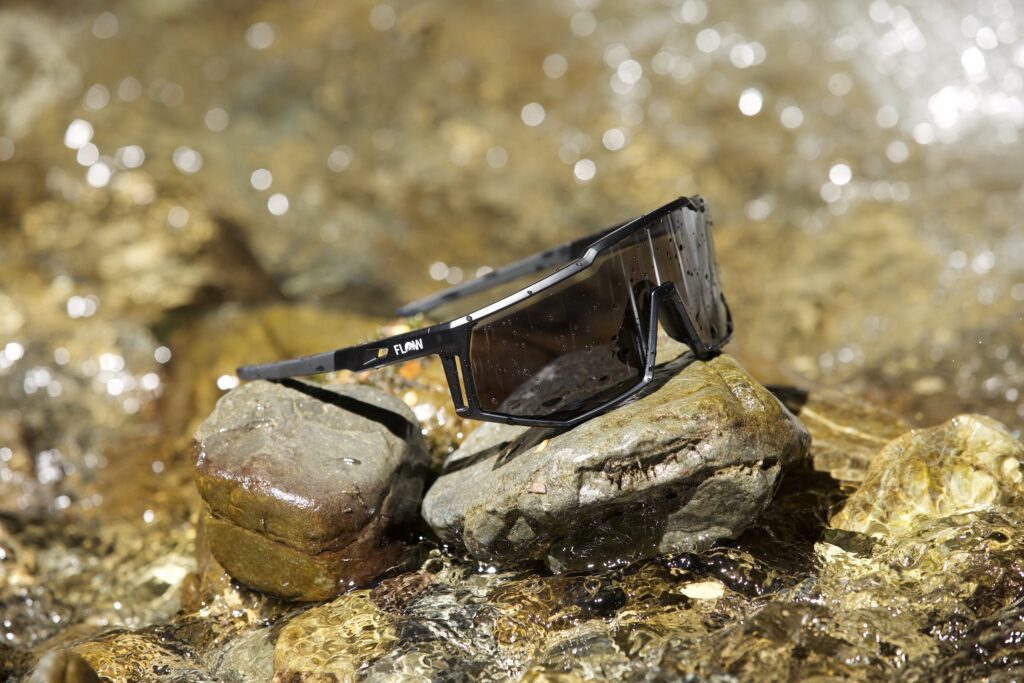
The shape is reminiscent of 100% eyewear, with a brow-ridge bump and continuous wrap around lens that promises a good field of visibility. The arms are rubberised for about half their length and fairly flexible. The nose bridge is also rubberised, which should mean a comfortable and secure fit.
Flow has attempted to minimise its environmental impact through the use of non-petroleum products and recyclable packaging, something that should be lauded in this tragic age of reactionary nihilism.
The frame is constructed from BIO TP-90, a thermoplastic material derived from castor oil that the manufacturers say is durable, lightweight and flexible. In the hand, they’re very light and have a nice, springy feel.
On the trail
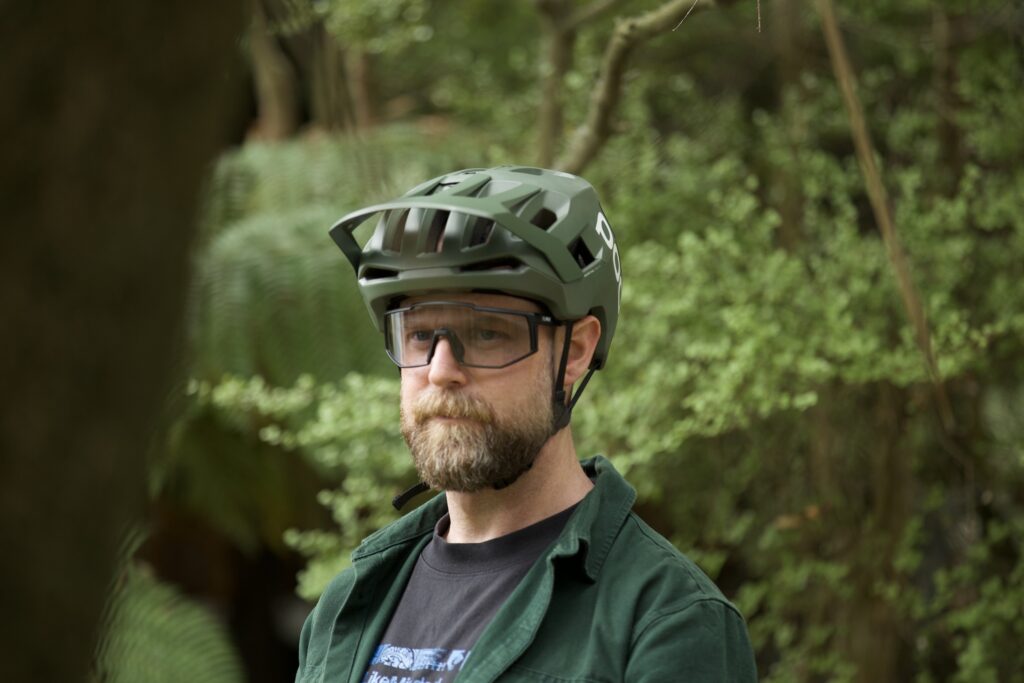
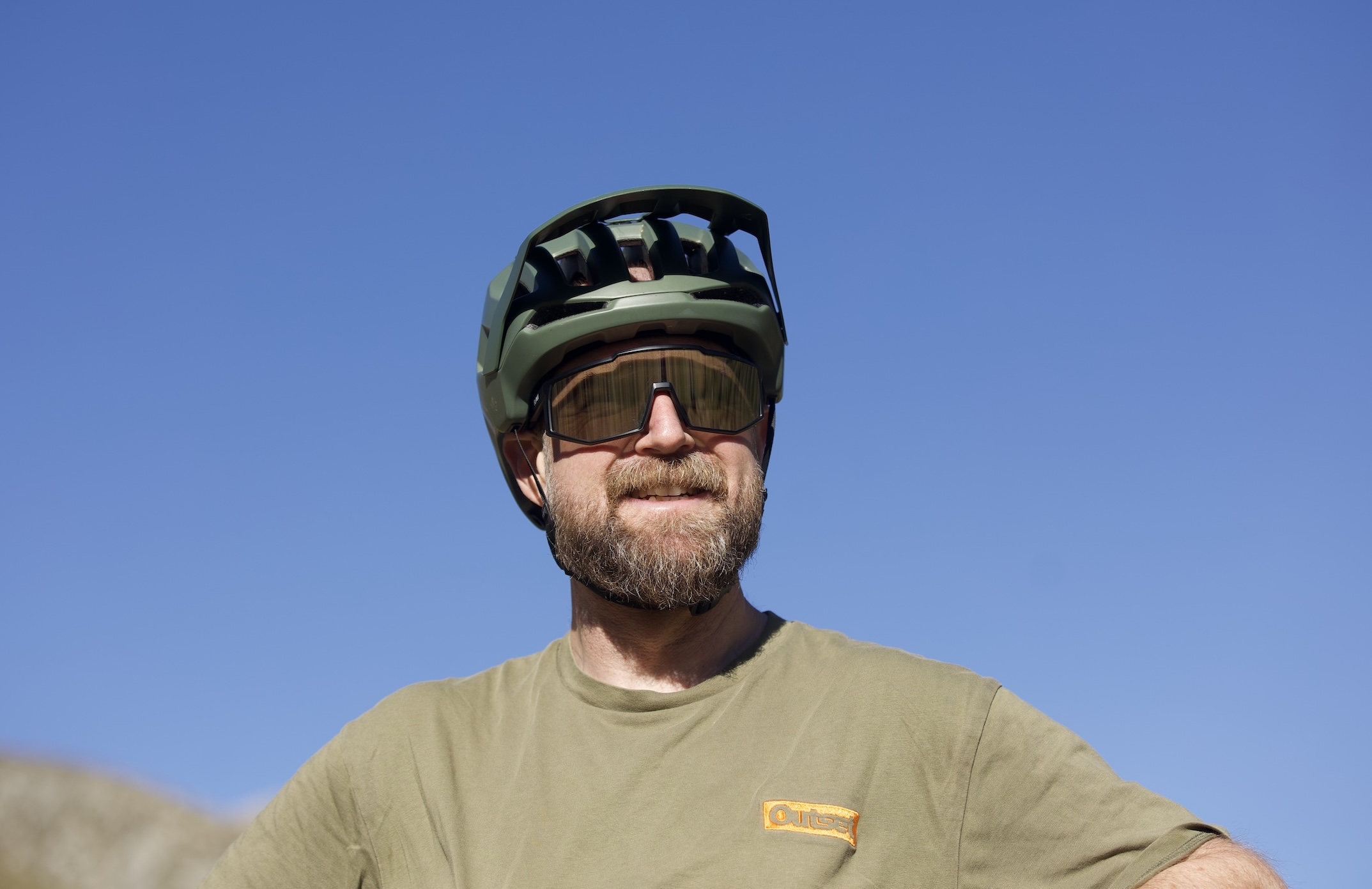
The fit and feel of the Rangers is snug and secure. The rubber coatings on the arms are complimented by their flexibility, holding firm without creating any unwelcome pressure points. The rubberised nose bridge wrapped reassuringly around my snot box.
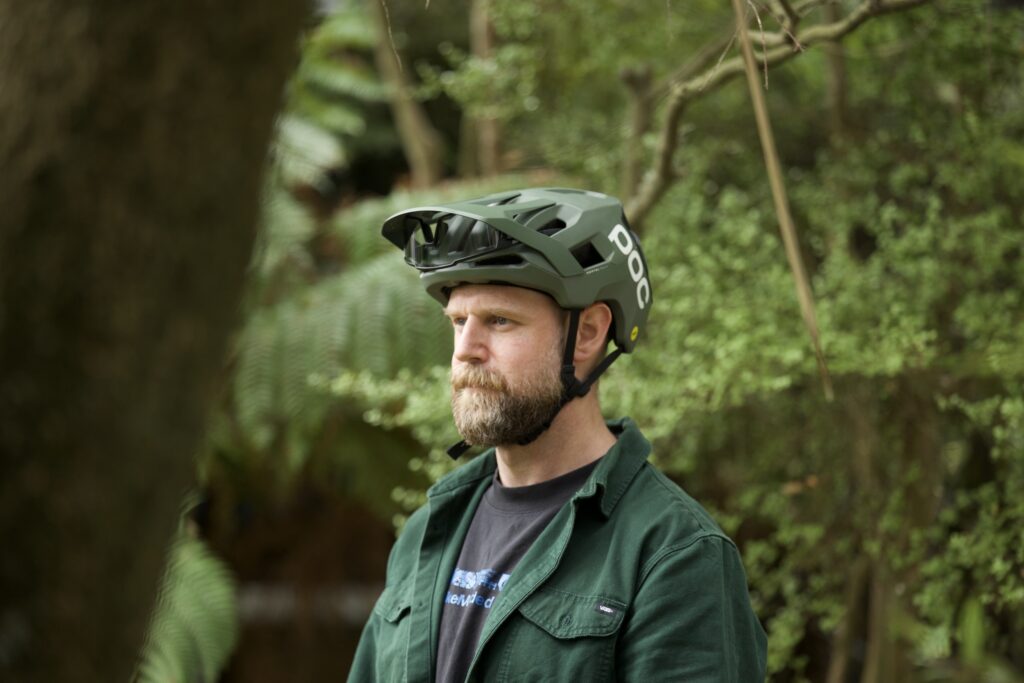
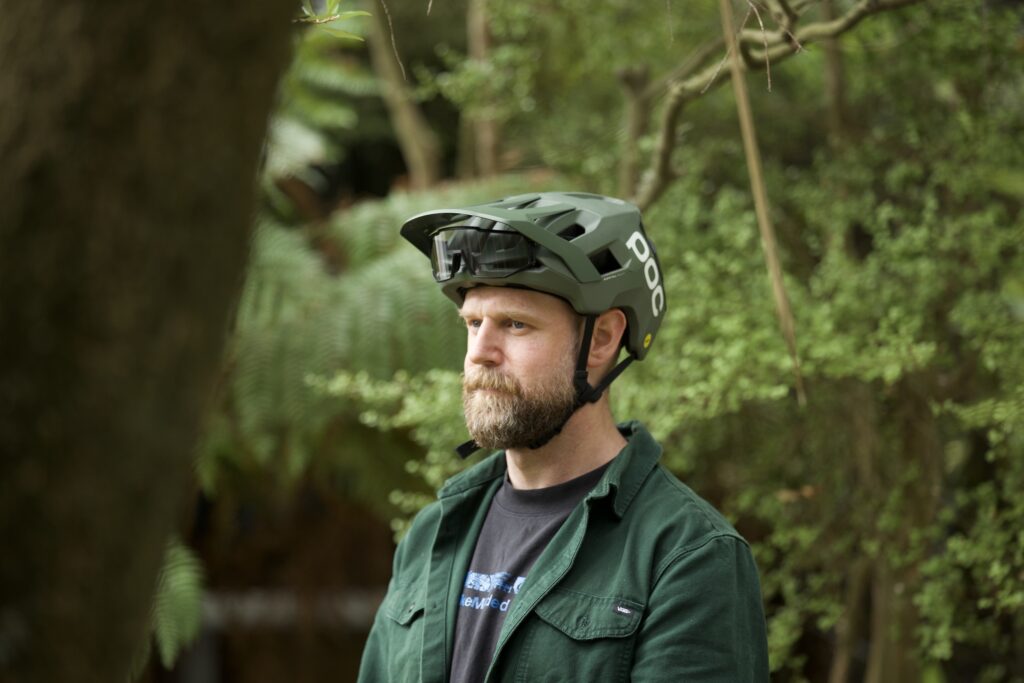
A head-shake test elicited little movement until things got unreasonably violent—I’m talking headbanging to Bohemian Rhapsody in the back of the Mirthmobile. At that point, the Rangers’ nose bridge crept a few millimetres down my nose, but still remained firmly planted behind my ears. While not designed with my Poc Kortal helmet in mind, they slotted snugly under the visor without having to deploy it like an air brake.
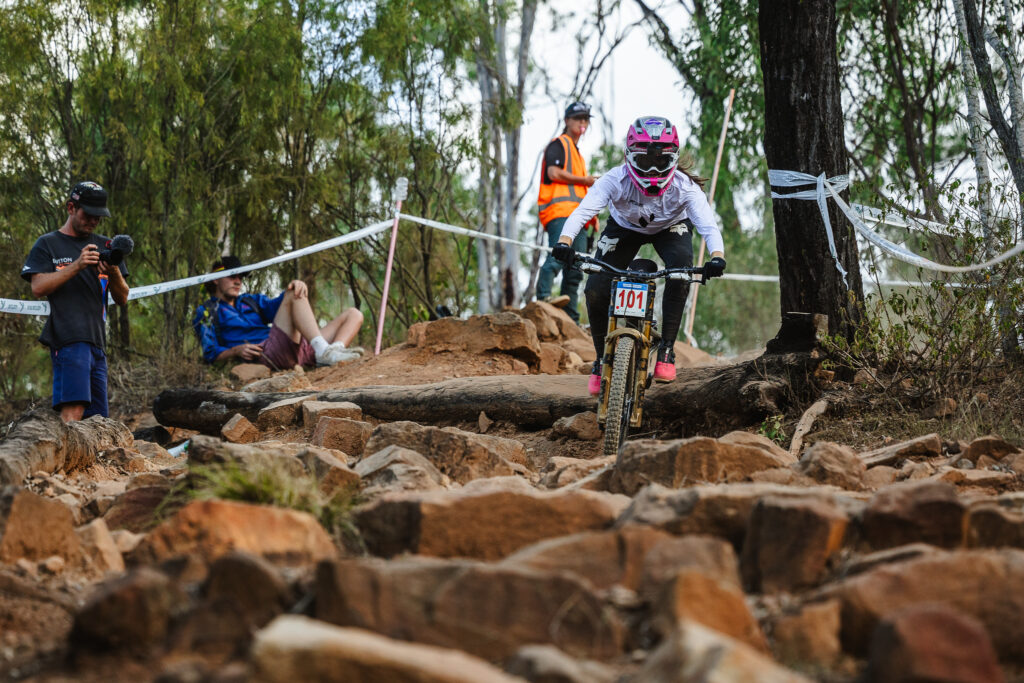
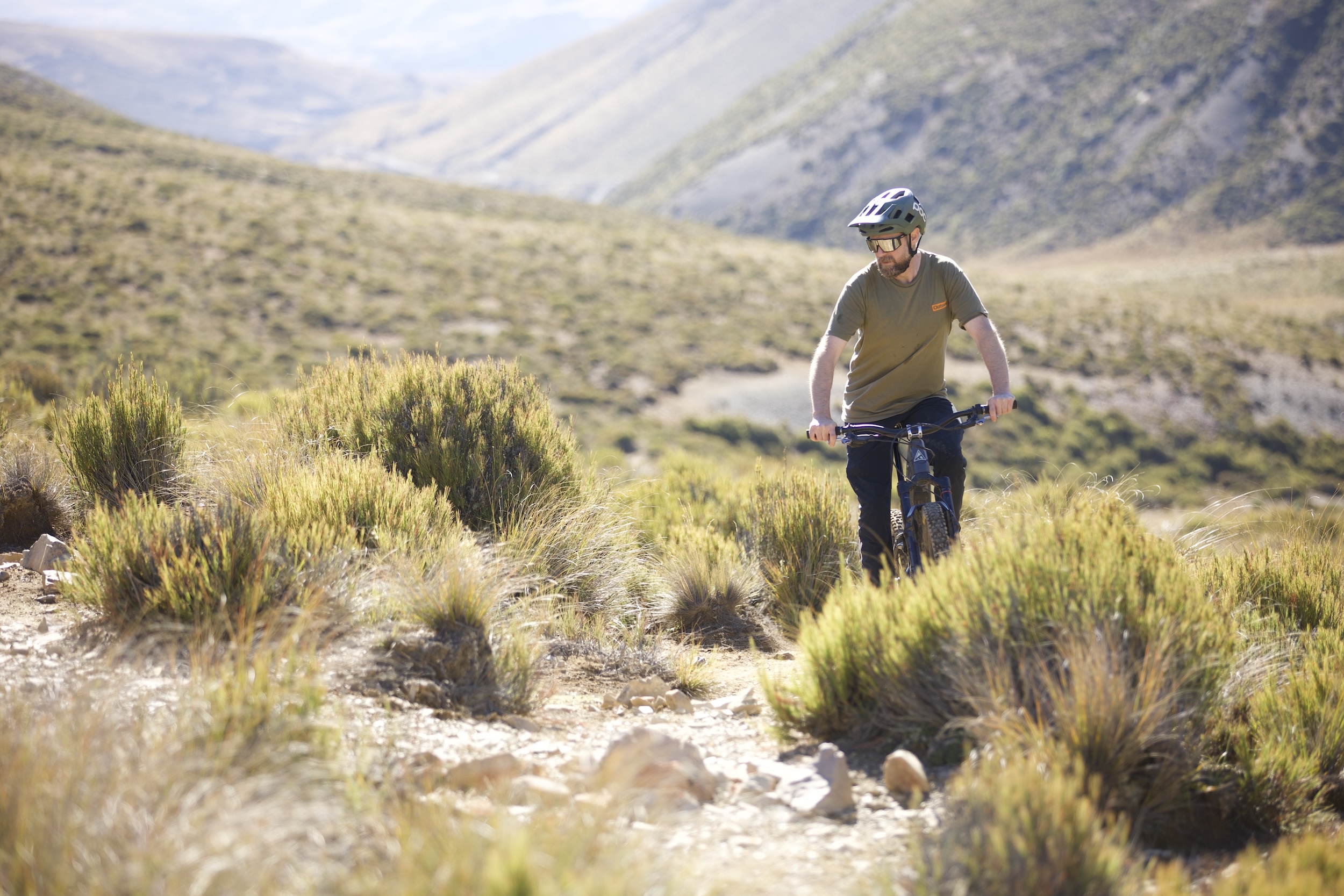
I do most of my riding at Craigieburn, where trails like Cockayne Alley and K-Line can bully you when you’re tired or not on your game. When you’re being jostled about by the trail, there’s nothing more distracting than having something in your eyeline and even worse is when that something is moving. While punching through the boney roots, jolting holes, and awkward undulations of those trails, the Rangers didn’t budge a millimeter and stayed out of my field of vision.
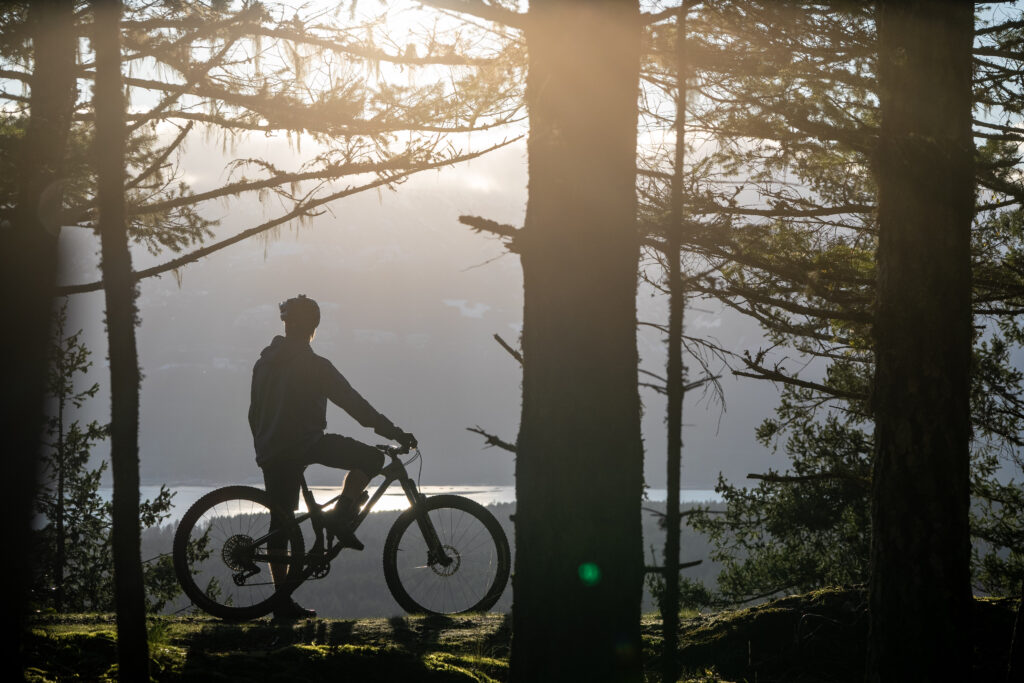
You’re mostly grinding up long ski-field roads to trails above the treeline at Craigieburn. The trails then quickly dip into alpine beech forest where, on a bright day, the light is a shifting patchwork of detail-obliterating brightness and deep shadows.
Out there, I usually have to choose between dark lenses for the climb or clear lenses for the descent, squinting through the glare on the way up, or blinking unshielded, watering eyeballs on the way down. For that reason, I was most excited to try the photochromatic lens. The promise of shaded comfort under the bleaching alpine sun fading to crystal clear vision under the canopy had me biffing the Rangers on my boat race before I’d even got my bike off the car.
At each end of its spectrum, the photochromatic lens is neither fully clear nor super dark but rather a slight grey that blushes to darker grey in bright sunlight. This was enough to both cut the discomfort of glare and provide a clear enough view under the canopy. While good for most days, I’d still switch to the clear or orange lens in very low light conditions.
The photochromatic option is definitely not a do-it-all lens, but good enough if you’re riding mixed light conditions on days that aren’t at the extreme ends of the spectrum. It isn’t the fastest changer in the game, but I appreciated the subtle shifts in shade as I moved through parts of the forest that were more or less exposed.
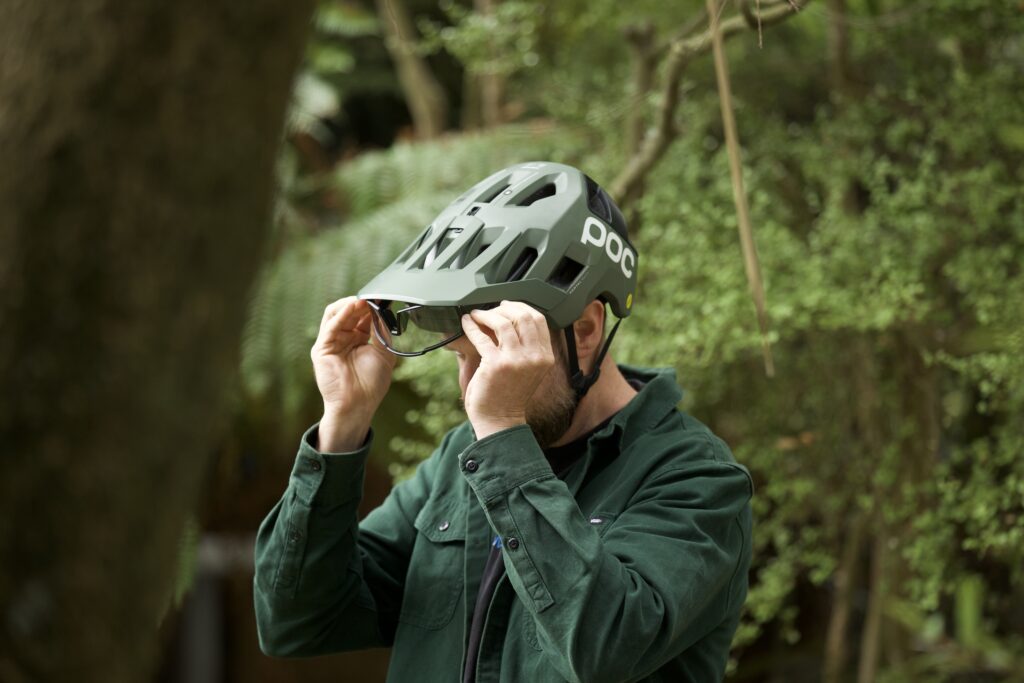
When you do need to switch lenses, it’s a no-fuss operation, even with wet hands or while wearing gloves. Just pop the top of the frame away from the lens, pull the lens from the nose bridge, and then repeat the procedure in reverse for the new lens.
Clipping in the slivered-grey lens for a fully-exposed alpine ride, the combination of bright New Zealand sunshine, altitude and arid rock had me squinting at times and wishing for a darker option, but those conditions were only a notch or two below snow and about as extreme as you’ll find on a mountain bike. The silver-grey lens cut the worst of the glare without muting too much detail, striking a good balance between comfort and visibility.


Trying the pinky-orange lens for the first time was a weird experience. With a tint best described by my buddy as “Canada-wildfire haze”, it imbued the world with an end-of-days vibe. It doesn’t take long to get used to, though, and the slight brightening the tint provides was very effective in overcast weather, particularly under the canopy. This lens ended up being my surprise favourite and probably my new go-to for the steely skies of winter.
Overall, I loved the secure fit and unobtrusive feel of the Flow Rangers. They did exactly what good riding eyewear does best—shading and protecting your eyes while fading into the background so you can concentrate on riding.
Conclusion
For a small company producing its first product, Flow has done a great job with the Rangers. The provided lenses should cover most riding conditions and they’re easy to switch when the light changes.
The Rangers’ strengths are comfort, secure fit, and excellent field of vision. They do everything you need a riding optic to do: they don’t move, they don’t get in the way, and they protect your eyes without obscuring the details, all at about half the price of their premium competitors. And, if you break them, replacing them won’t break the bank.
I can see the Rangers being perfect for the rider who’s hard on gear but wants a solid set of glasses that do the job without needing to be treated like a Swarovski swan.
Upsides
- Comfortable and secure fit
- Price
- Good field of vision
- Multiple lens options
- Photochromatic lens
- Easy lens changes
Downsides
- Photochromatic lens is slower than premium brands
For more, head to flowcomponents.co.nz